
Can You Really Make Money With Stock Photography in 2026?

Short answer? Yes.
Long answer? Yes… but in your first few months, you might earn more by fishing coins out from under your couch cushions.
Stock photography isn’t dead. It’s just no longer the magical ATM it once was in the early 2000s. The modern stock world is crowded, algorithm-driven, and ruthlessly efficient — which means it absolutely can make you money, but only if you understand what kind of money it is designed to produce.
This guide will show you exactly what stock photography realistically looks like in 2026, who it’s for, who it’s not for, and how to decide whether it belongs in your photography income stack.
What This Article Means By “Stock Photography”
When people talk about stock photography today, they’re usually referring to uploading photos and short video clips to large marketplaces like Shutterstock, Adobe Stock, and iStock, where businesses license images for websites, ads, blogs, products, and marketing campaigns.
You’re not selling art prints. You’re licensing commercial imagery to businesses that need fast, affordable visuals.
What Stock Photography Actually Pays Today
Most modern stock agencies operate on a microstock model — meaning they sell images cheaply and in very high volume. Typical payouts look like:
- $0.10 – $0.40 cents per download on subscription sales
- $1 – $10 for larger on-demand licenses
- Sometimes more for extended or exclusive licenses
So, no. You’re probably not going to be able to afford that yacht you’ve been eyeing.

But you can buy:
- groceries
- lenses
- camera bodies
- lighting gear
- and a surprising number of memory cards
Once you build a decently sized portfolio, stock photography turns into a steady drip of “background income.” It can pay for photography gear, which feeds your creativity, which is actually a beautiful thing.
Why Stock Photography Still Works (And Why It Feels Like It Doesn’t)
The internet needs images more than ever. Every blog, every course, every SaaS company, every YouTube thumbnail, every email campaign (basically just about any business you can think of) needs visuals — and stock libraries are still the fastest way to get them.

What changed is:
- More photographers entered the market
- Microstock pricing caused payouts to get smaller
- Stock agencies implemented automation and search algorithms which replaced human curators
- Consistency and volume now beats “one amazing photo”
Which means modern stock success is not about art. It’s about systems.
Who Stock Photography Is Perfect For
Stock photography quietly works best for:
- hobbyists with decent technical skills
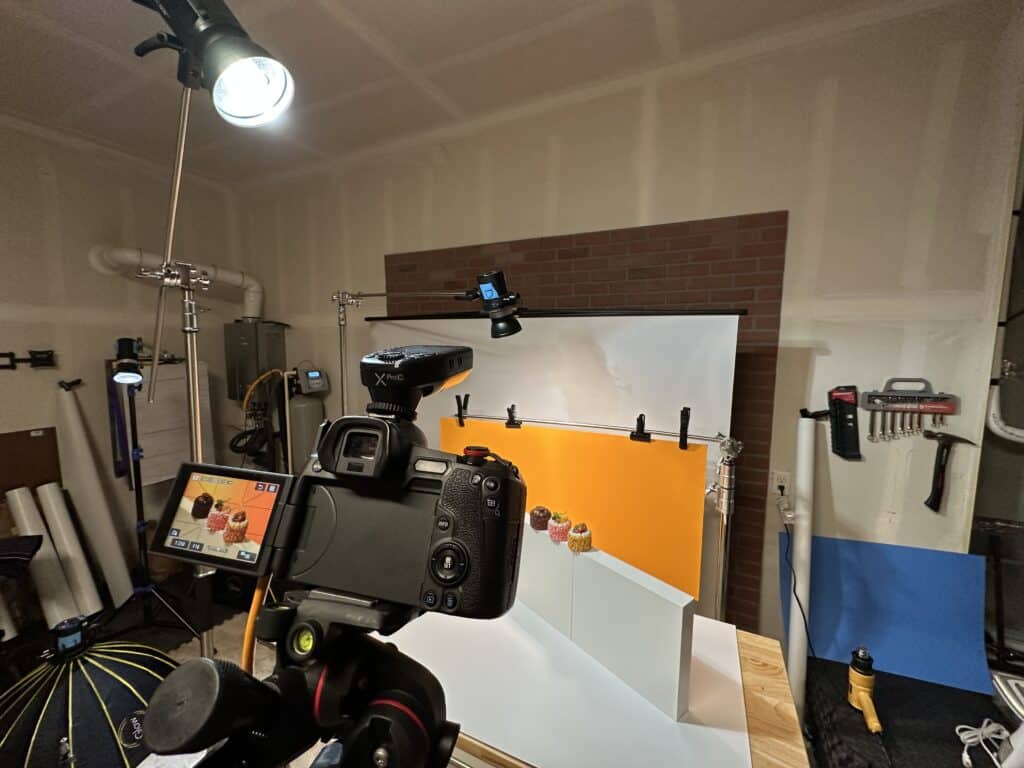
- commercial photographers with repeatable setups
- product photographers
- food photographers
- tabletop photographers
- lifestyle photographers
- photographers who enjoy batch production
If you can take photos in series, stock loves you.

Who Stock Photography Is Not For
Stock photography is a terrible idea if you:
- only create emotionally expressive one-off art
- hate repetitive tasks
- want “get-rich-quick” money
- can’t stand keywording (40-50 keywords per image)
- don’t like structured workflows
This is not “creative chaos” money. This is “spreadsheet” money. Here’s what I mean:
Creative chaos money is how many photographers operate. They wander, see something interesting, chase the light, follow their instincts, capture photos emotionally, and make one-off images. Often, really amazing ones at that. The problem is, each photo is wholly unique, and often not repeatable. This type of photographer produces beautiful art, but that kind of imagery produces unpredictable income.

Spreadsheet money (and stock photography) flip that model completely. In this type of photography, we don’t rely on inspiration, uniqueness, or artistic surprise. Instead, we rely on repeatable setups, consistent lighting, predictable subjects, batch capture, keyword systems, upload schedules, performance tracking, and portfolio growth curves.
Stock photography isn’t about “this one photo.” Instead, it’s about “the system.” You don’t ask, “Is this my best photo?” Instead you ask, “Does this concept reliably produce downloads?” That’s “spreadsheet” thinking.
The Real Math Behind “Couch Cushion” Income
I’m going to share my ballpark numbers with you here. These aren’t the exact numbers, but they are very close. Your numbers will vary from person to person–so I’m not guaranteeing results like mine–but follow me here in this example.
I’ve got two portfolios, each with ~200 images. One portfolio in Shutterstock, and one in Adobe Stock.
I do not consistently upload. Not even close. And yet, I earn right around $100 per year from each portfolio.
So, I’m sitting here basically ignoring my stock photography, and yet I’m earning $200/year. Consistently.

Now, let’s say I scaled that up. Let’s say I had 1,000 images in each portfolio. If ChatGPT’s math can be trusted, I’d pull down ~$1,500/year. Again, not life changing amounts of money–but hey–every little bit counts.
| Portfolio Size | Casual Uploading | Systematic Uploading |
| 200 images | $200-$350 per year | $400-$700 per year |
| 500 images | $600-$1,200 per year | $1,200-$2,400 per year |
| 1,000 images | $1,500-$3,000 per year | $3,000-$6,000 per year |
It’s certainly not viral money, but it’s practically automated money. And if I decided to scale it, it would definitely compound. (hmmm…maybe I should toss some more images into my portfolios…)
The Gear Lane
Here’s the beautiful alignment: Stock photography naturally drives gear upgrades. People who succeed in stock photography want or need:
- sharp lenses
- full-frame sensors
- clean color and skin tones
- fast, predictable workflows
- tripod-friendly camera bodies
- macro and tabletop lenses
- consistent lighting control
Not because they’re chasing gear, but because consistency and technical quality directly affect what gets accepted, found, and downloaded.
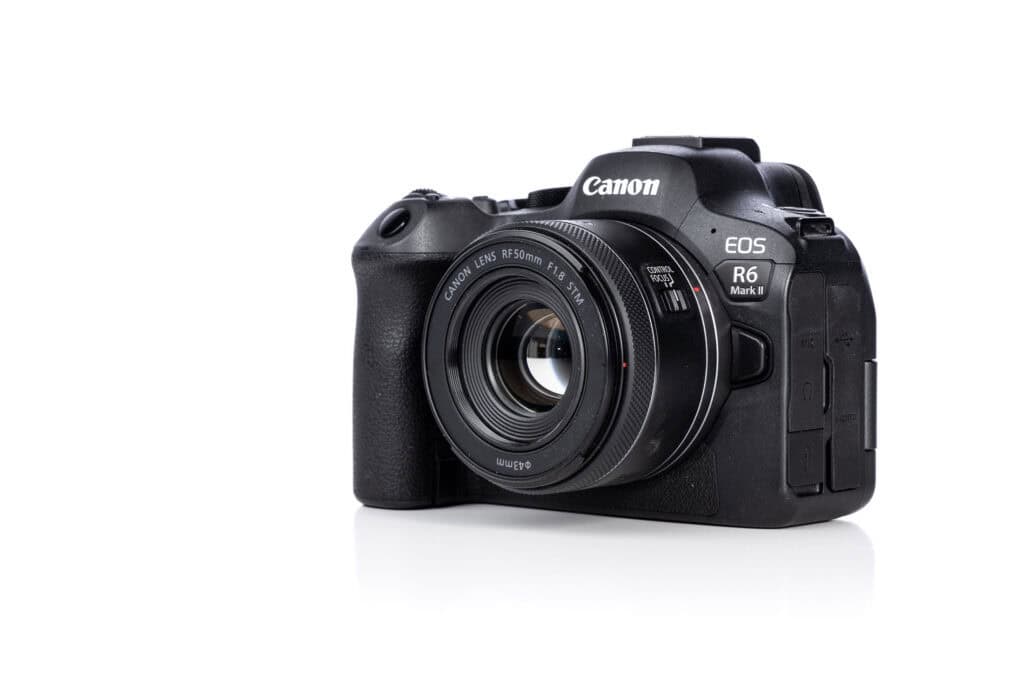
Over time, many serious stock photographers naturally end up exploring:
- sharper macro lenses
- better camera bodies
- tabletop lighting systems
- backgrounds and surfaces
- faster editing workflows
These tools quietly improve the quality of everything else they photograph too.
Stock photography doesn’t just generate downloads, it raises your entire technical baseline.
The Long Game Reality
Stock photography is best treated as:
A background engine that helps pay for your tools while you build your main creative business.
It’s not flashy. But it’s shockingly durable.
So… Is It Worth It?
Yes — if you want your camera gear to quietly pay for itself.
No — if you want fast money, emotional validation, or viral glory.
Stock photography is great if you want to earn some “couch cushion money” that might someday turn into new lenses. And if I’m being honest, that’s not such a bad deal.
Coming Next in This Series:
(These guides are in production and will be linked here as soon as they’re live.)

