Altura DSLR Rain Cover Review: Does it actually work?
Updated: December 2025
Have you ever been outdoors with your camera when it started drizzling–or worse, raining? Even if your camera is weather sealed, you don’t want to expose your expensive photography tools to the elements if you don’t have to. A rain cover adds an extra layer of protection on top of weather sealing, especially during extended outdoor sessions or when moisture can sneak into buttons, seams, and lenses. To be safe, you should keep an inexpensive DSLR rain cover in your camera bag.
Why You Should Carry a Camera Rain Cover
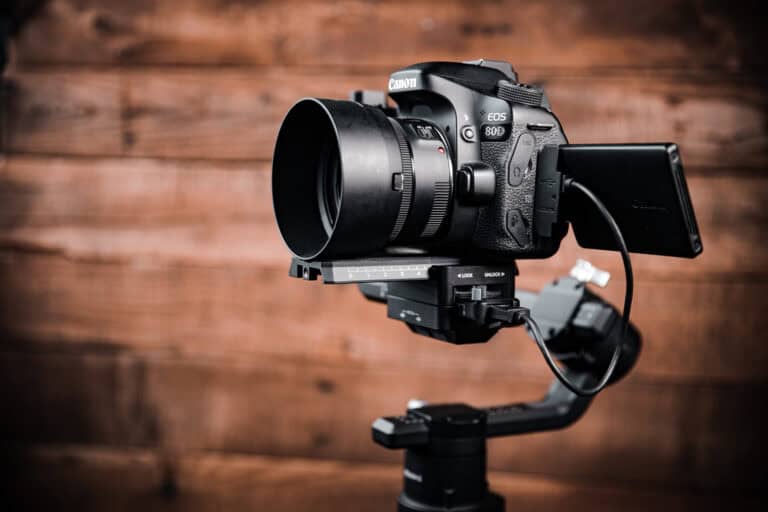
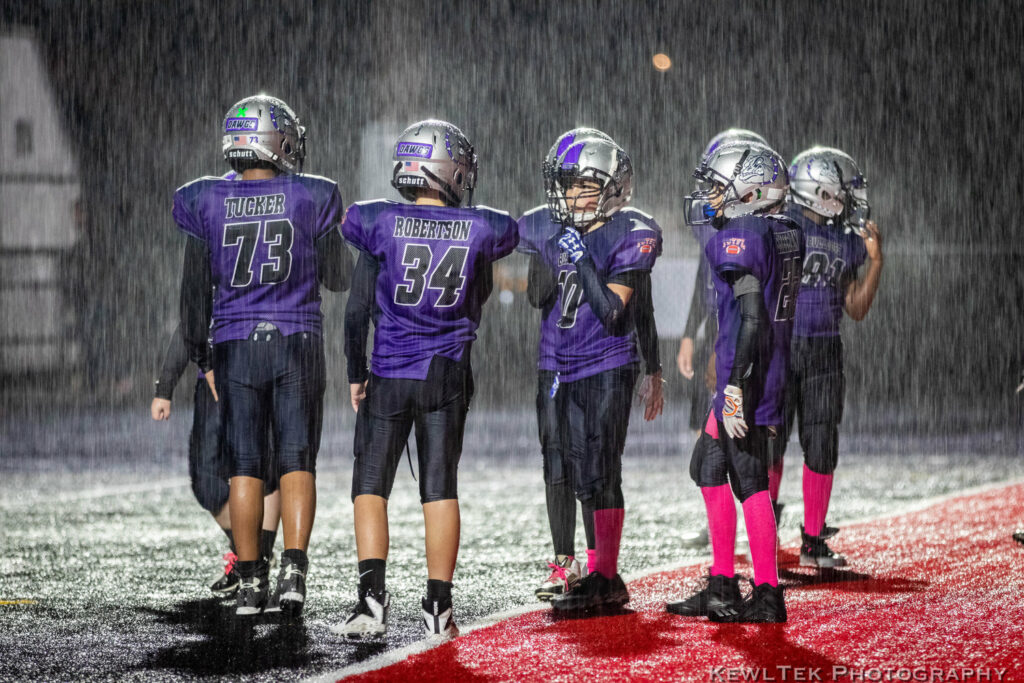
I used to photograph youth football. I was out there with the kids in all sorts of weather, even rain. My camera at the time was a Canon 80D with 70-200mm f/2.8. Even though both were weather sealed, I didn’t like the idea of tempting fate with my camera gear. Usually, the worst weather I had to deal with was a “clinging mist”, or light drizzle—but as you can see in this picture, the weather here in the Pacific Northwest can take a very wet turn, very quickly:
Why Buy a DSLR Rain Cover?
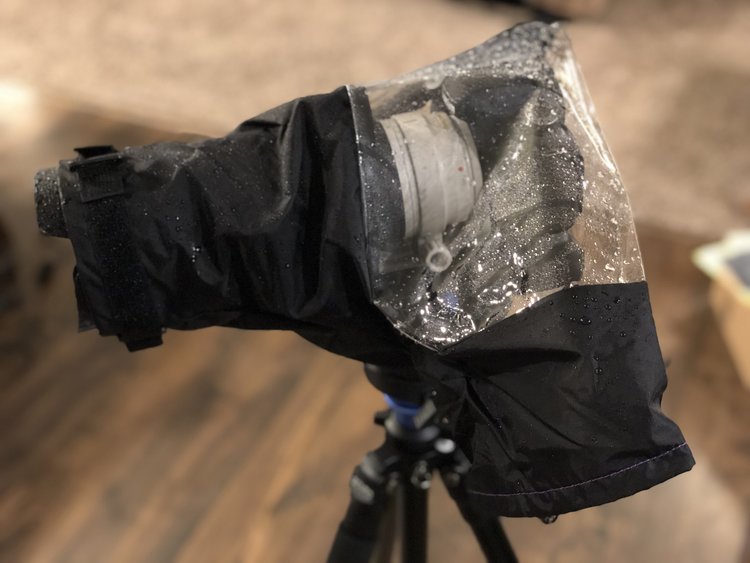
A photography friend of mine told me about the Altura Rain Cover. He showed me his rain cover and told me how inexpensive it was. I decided it’d be a ‘no brainer’ to buy one for myself.
I’ve seen photographers use plastic garbage bags wrapped/taped to their cameras and lenses. Also, I’ve seen big bulky blanket looking contraptions over their gear. Those techniques might work, but I wanted something light, easy to use, and unobtrusive that I could keep in my camera bag. A DIY solution didn’t seem like the right thing for me. I roll video sometimes–and need to be able to see the LCD screen, as well as easily get to the buttons and zoom ring. Could a garbage bag let me do all that? Maybe, maybe not… But the Altura DSLR Rain Cover for sure lets me do all that.
What the Altura DSLR Rain Cover Is (and Isn’t)
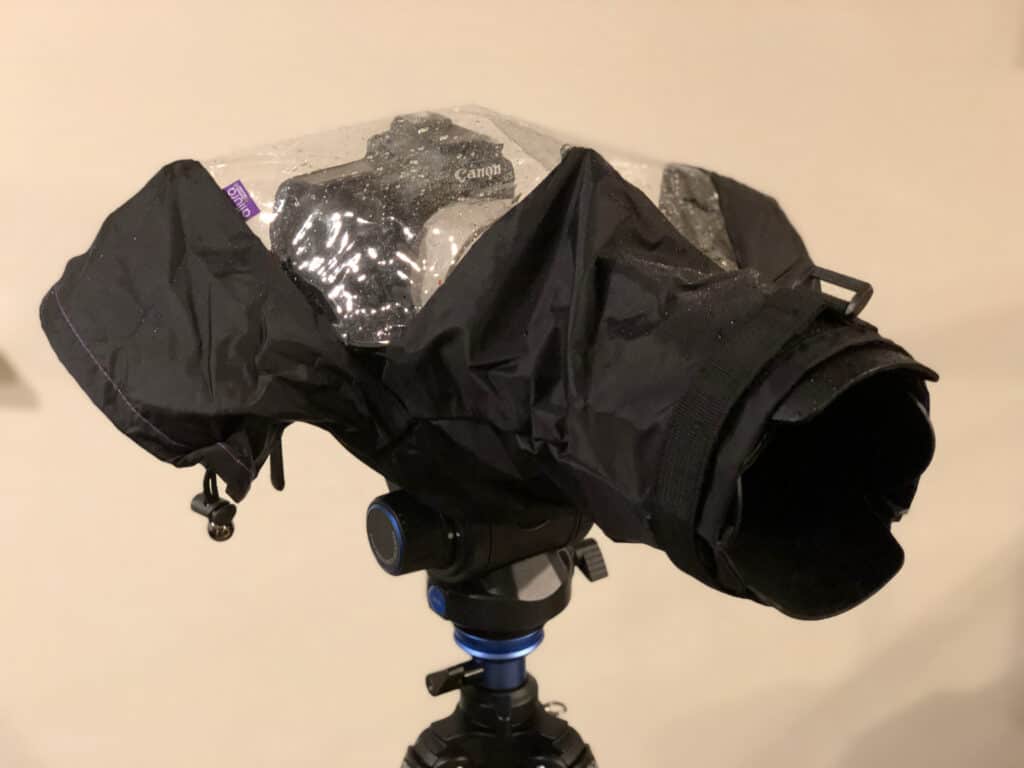
This isn’t a rigid or bulky item. It’s a lightweight, flexible sleeve designed to keep your camera and lens dry without slowing you down. It fits DSLR and mirrorless bodies with medium to large lenses, and gives you access to the essentials: zoom ring, focus ring, and buttons. If you think it might rain on your photo outing, having this thing in your bag gives you peace of mind!
Check Pricing & Availability
Altura Rain Cover on Amazon Think Tank (Premium Cover) on Adorama Slinger Rain Cover on Walmart*Affiliate links. You pay the same price — I may earn a small commission.*
Pros (What I Like After Years of Real-World Use)
Fits Big Gear Easily
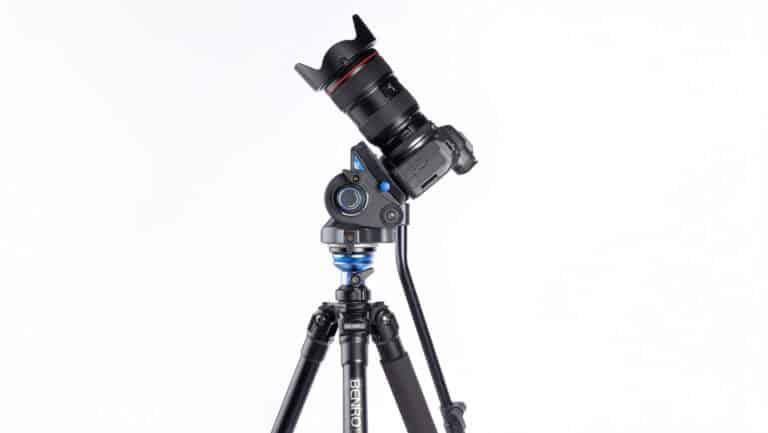
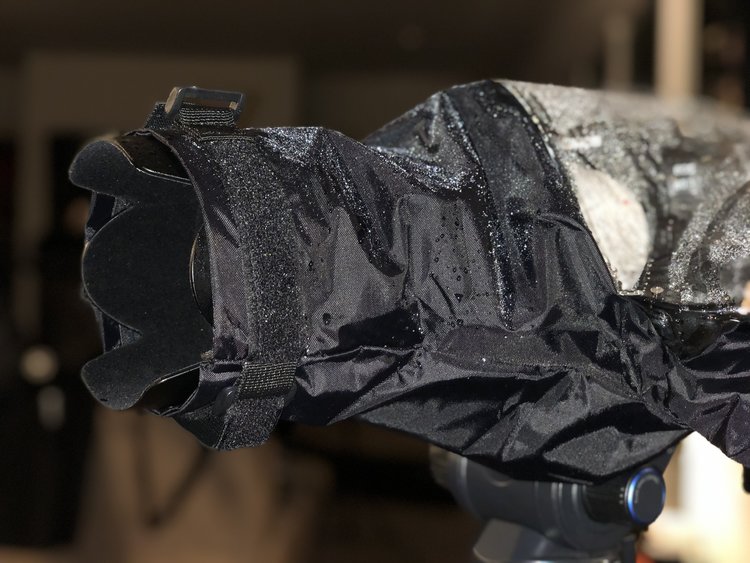
My setup was a DSLR with battery grip, a 70-200mm lens with lens hood attached, and a Benro S6 fluid video head–and I still had room.
Rubberized Front Seal
The inner part of the cover (where it wraps around the lens hood) is lined with a grippy, rubberized material. Once you cinch the Velcro, it forms a water-resistant seal that prevents drips from sneaking in.
Sleeve Access for Your Hands
Two arm sleeves let you reach inside to adjust settings, zoom and focus, and check the LCD. Each sleeve has a drawstring so you can tighten it around your wrists and keep rain out.
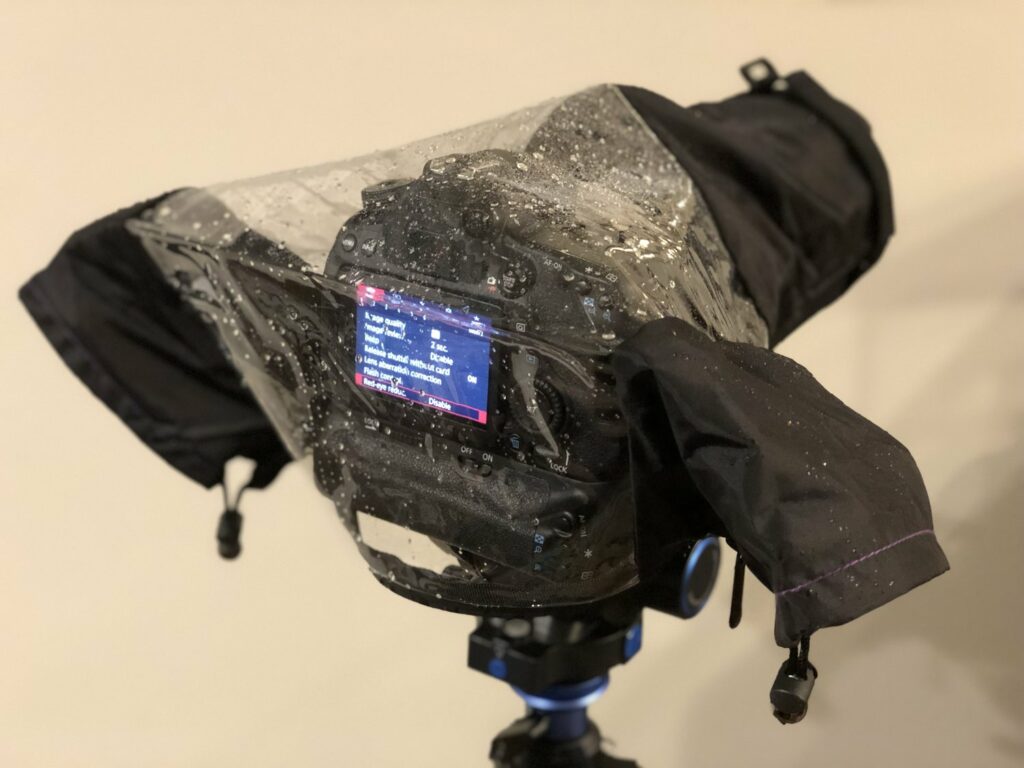
Flexible Clear Back Window
The entire back is a transparent panel that lets you:
- View the LCD
- Monitor settings
- Use Live View
You can use the optical viewfinder through the plastic if you really need to. It’s not ideal, but it works in a pinch.
Packs Flat and Weighs Nothing
It folds down to nearly nothing and disappears into a camera bag pocket until you need it. Zero weight. Zero hassle.
Check Pricing & Availability
Altura Rain Cover on Amazon Think Tank (Premium Cover) on Adorama Slinger Rain Cover on Walmart*Affiliate links. You pay the same price — I may earn a small commission.*
Cons (Because No Rain Cover Is Perfect)
Limited Accessory Use
Because it wraps directly over the top of the camera, you can’t mount most accessories, like a Rode VideoMic, to the hot shoe.
Harder to Use the Viewfinder
You can use the viewfinder, but it’s definitely not comfortable.
Tight Movement Inside the Sleeves
When photographing sports or fast action, hand movement inside the cover can feel restricted. It takes a bit of practice to be able to change settings quickly inside this thing.
Zoom + Focus Ring Access Is Cramped
There’s only so much room inside this rain sleeve. If you use manual mode (need to constantly adjust settings dials and knobs), or zoom frequently, you’ll feel the tightness.
Who This Rain Cover Is Best For
This simple, budget-friendly rain cover is ideal for:
- outdoor sports photographers
- hikers and travelers
- wildlife photographers
- event photographers expecting unpredictable weather
- anyone with expensive gear and zero appetite for water damage
If you rely heavily on Live View or LCD monitoring, you’ll love the transparent back window.
How to Use the Altura Rain Cover (Quick Start Guide)
- Slip the front opening over your lens hood.
- Tighten the Velcro strap so the rubberized ring grips the lens hood.
- Insert your hands through the sleeves.
- Tighten the drawstrings around your wrists.
- Position your camera so you can see the LCD or viewfinder.
- Optional: Leave the bottom zipper partially open to mount the camera to a tripod or monopod.
Bottom Line: Should You Buy One?
If you shoot outdoors, especially in a rainy climate like western Washington State, you absolutely want something like this in your bag. For around $20-$30 a DSLR Rain Cover gives you peace of mind, and:
- reliable protection
- quick deployment
- full access to your camera’s controls
- a clear view of the LCD
- a flat, lightweight design that won’t weigh down your camera bag
It’s one of those tools you hope you never need… until you do.
Check Pricing & Availability
Altura Rain Cover on Amazon Think Tank (Premium Cover) on Adorama Slinger Rain Cover on Walmart*Affiliate links. You pay the same price — I may earn a small commission.*
FAQ
Is this rain cover compatible with mirrorless cameras?
Yes. It works with mirrorless or DSLR bodies as long as the lens length is within the cover’s range.
Can I view the LCD through the back window?
Yes, completely. The plastic panel is specifically designed for that.
Can I just use a plastic bag instead of a rain cover?
You can, but you’ll lose visibility, durability, and access to buttons and the zoom ring. Rain covers are designed to be handled and moved while shooting, but plastic bags tear easily and can trap moisture.
Is this rain cover truly waterproof?
It handles drizzle and heavy rain extremely well. For torrential, multi-hour rain exposure, you might be better off going with a more premium solution.